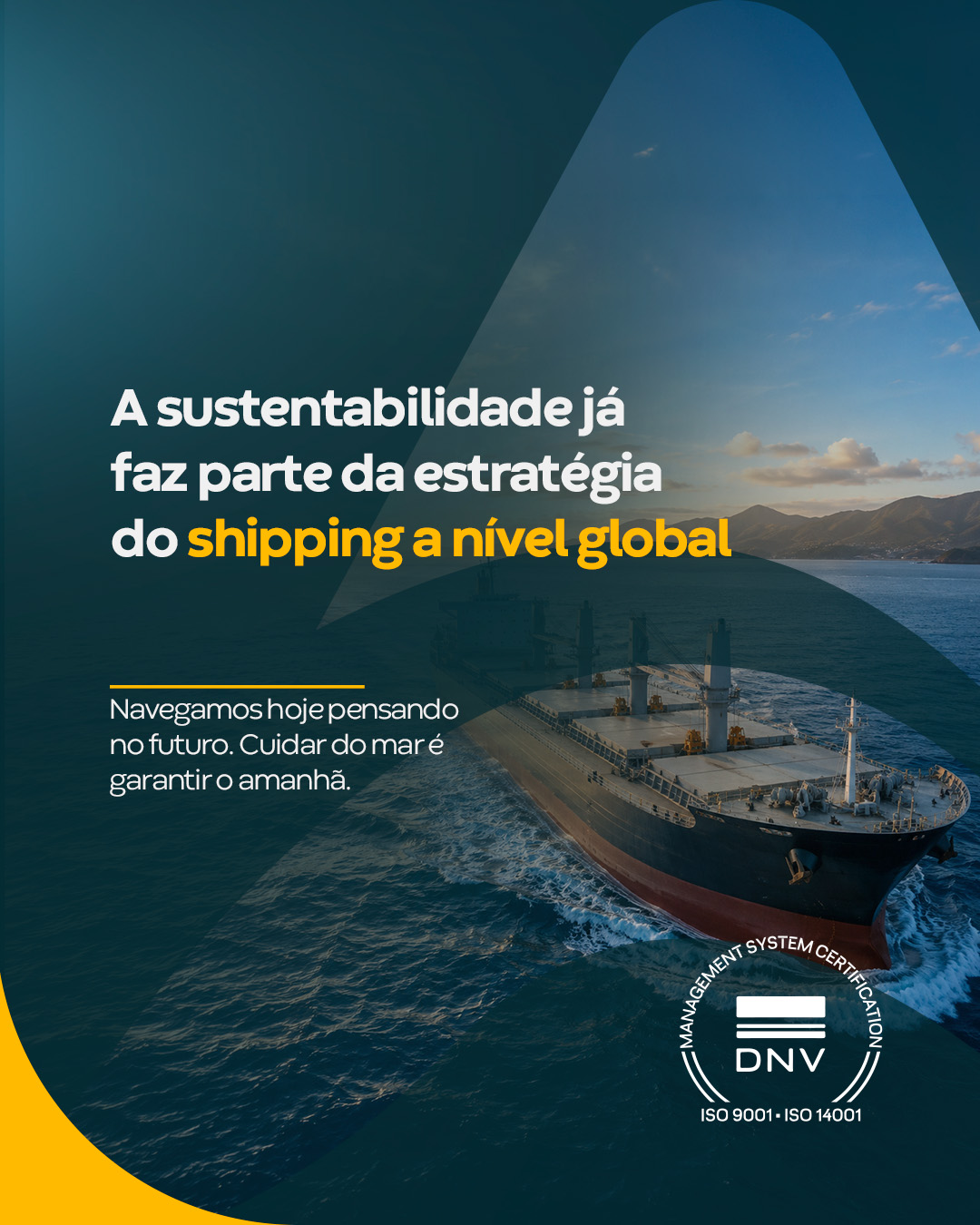
Brazilian agribusiness moves millions of tons every year, consolidating the country as one of the world’s largest exporters of soybeans, corn, and meal. A large share of this volume passes through a strategic port network that has been receiving continuous investments to keep pace with production growth. Amart closely monitors these transformations, analyzing operational capacity, bottlenecks, and the opportunities each port offers. This technical perspective is essential to understand how each terminal contributes to the competitiveness of Brazilian agribusiness.
Port of Santos (SP)
The heart of Brazilian exports
The Port of Santos is the largest in Latin America, handling more than 130 million tons per year. It is a global benchmark in sugar and orange juice exports, as well as one of the main gateways for Brazilian coffee. In recent years, it has also expanded its role in soybean and corn exports, supported by terminal automation and the expansion of grain yards.
Port of Paranaguá (PR)
The largest grain port in Latin America
With more than 50 million tons exported annually, Paranaguá accounts for a significant share of soybean, corn, and meal shipments. Recognized as the largest grain port in the region, it has received over R$ 2 billion in investments in the last five years, including berth improvements, dredging, and warehouse expansion — further strengthening its outflow capacity.
São Luís Port Complex (MA)
The export gateway of MATOPIBA
The São Luís Port Complex, which includes the public Port of Itaqui, the Ponta da Madeira Terminal, and the Alumar Terminal, is strategic for the Northern Arc. With deep drafts and railway connections (EFC and FNS), it has established itself as one of the main export routes for production from MATOPIBA (Maranhão, Tocantins, Piauí, and Bahia). At Itaqui, dedicated terminals such as TEGRAM have gained prominence in soybean and corn exports, while Ponta da Madeira handles iron ore shipments and Alumar serves the alumina/bauxite chain.
The ports of Santos, Paranaguá, and the São Luís Complex illustrate the diversity and strength of the infrastructure that supports Brazilian agribusiness exports. Each has its own characteristics, advantages, and challenges, but all play a crucial role in keeping Brazil competitive in the global grain trade. More than just tracking volumes, understanding the transformations and trends of these terminals is essential for anyone operating in the sector.
? Want to dive deeper into this analysis? Our experts are available to share data and insights that can support decision-making in exports and port operations.